
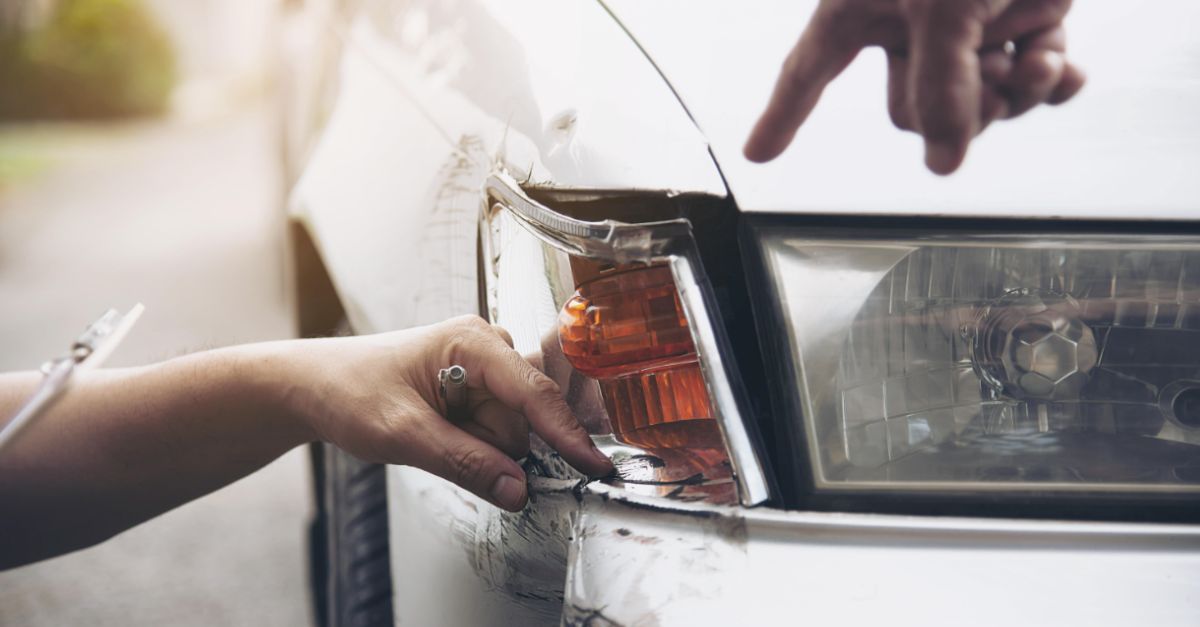
You may be familiar with the old cop-show cliché of an officer yelling at an onlooker to "not mess with the crime scene," but this approach is not born of fiction or TV drama. In fact, it's rooted in reality.
After a serious collision on a Dallas roadway, the immediate aftermath can feel like a blur, and judgment can be impaired, but someone must record the scene, if possible. A crash scene can change dramatically in a short period of time. Surveillance footage is overwritten, potential witnesses disappear, and vehicles are taken away for repair.
Whether someone is navigating the complicated landscape of liability through legal channels, such as The Texas Law Dog, or simply managing personal documentation, early action is important to protect a claim before someone "messes with the crime scene."
The Physical Evidence Vanishes
Crash sites are rarely static places. Traffic surges back into place, blocking clear evidence photos, skid marks fade, and road crews quickly clear debris. Evidence must be collected while the scene is still fresh, including plenty of clear photos of the vehicles involved, the surrounding environment, any property damage, and relevant signage and road conditions. Once physical evidence is cleared, the only thing left is to try to reconstruct the events, which, while not impossible, is still difficult and potentially expensive.
An official police report often becomes the bedrock of many cases. Under the Texas Transportation Code, law enforcement officers must file a written report if an investigated crash results in injury, death, or apparent property damage of $1,000 or more. And these reports often contain essential details about the accident, such as the time, location, and the investigating officer's initial observations. Securing the report is often the first step in establishing an official record of the incident for future use.
On Documentation and Insurance
Insurance adjusters will sometimes exploit gaps in treatment to minimize the perceived impact of an accident. As such, it's always a good idea for a victim to maintain a careful record of all medical treatment to establish the timeline of the injury better. A claim can be better supported by digital evidence such as dashcam footage, GPS data, communication records, and evidence of lost work time and wages.
Adjusters will often request recorded statements from the victims following an incident. These requests, sometimes presented as routine, can inadvertently undermine a claim if they are issued before the full scope of an injury is understood. Victims should remain aware of certain tactics and maintain organized records to help protect their claim.
Taking a Proactive Approach
Following a significant accident, one of the best ways to help support a future claim is to gather as much evidence as possible. Because crash scenes are quickly altered and memories can fade or be faulty, this systematic collection of physical, digital, and medical records is the most reliable way to reconstruct events and substantiate claims.
Likewise, a victim should take a cautious approach when interacting with insurance representatives, and securing legal representation may help in this department. But in the beginning, the most important thing that someone can do for their case is to gather as much evidence as possible to help with any future claim.
FAQ
Is it important to gather evidence following an accident?
A victim of a collision should gather as much evidence as possible, including photos, videos, police and witness reports, medical records, repair estimates, receipts, wage-loss documents, insurance letters, and any existing digital records, such as dashcam footage.
Should accident victims speak to insurance adjusters?
Even though communicating with insurers may be necessary, victims should be cautious about recorded statements, discussions of fault, or early settlement offers before the full impact of an injury is known.
Why does early documentation matter?
Evidence can be lost, overwritten, or forgotten. Early documentation is a living record of what happened and can show the extent of the accident's impact, which can be important for use in any future claim.
Members of the editorial and news staff of Law&Crime were not involved in the creation of this content.






Comments